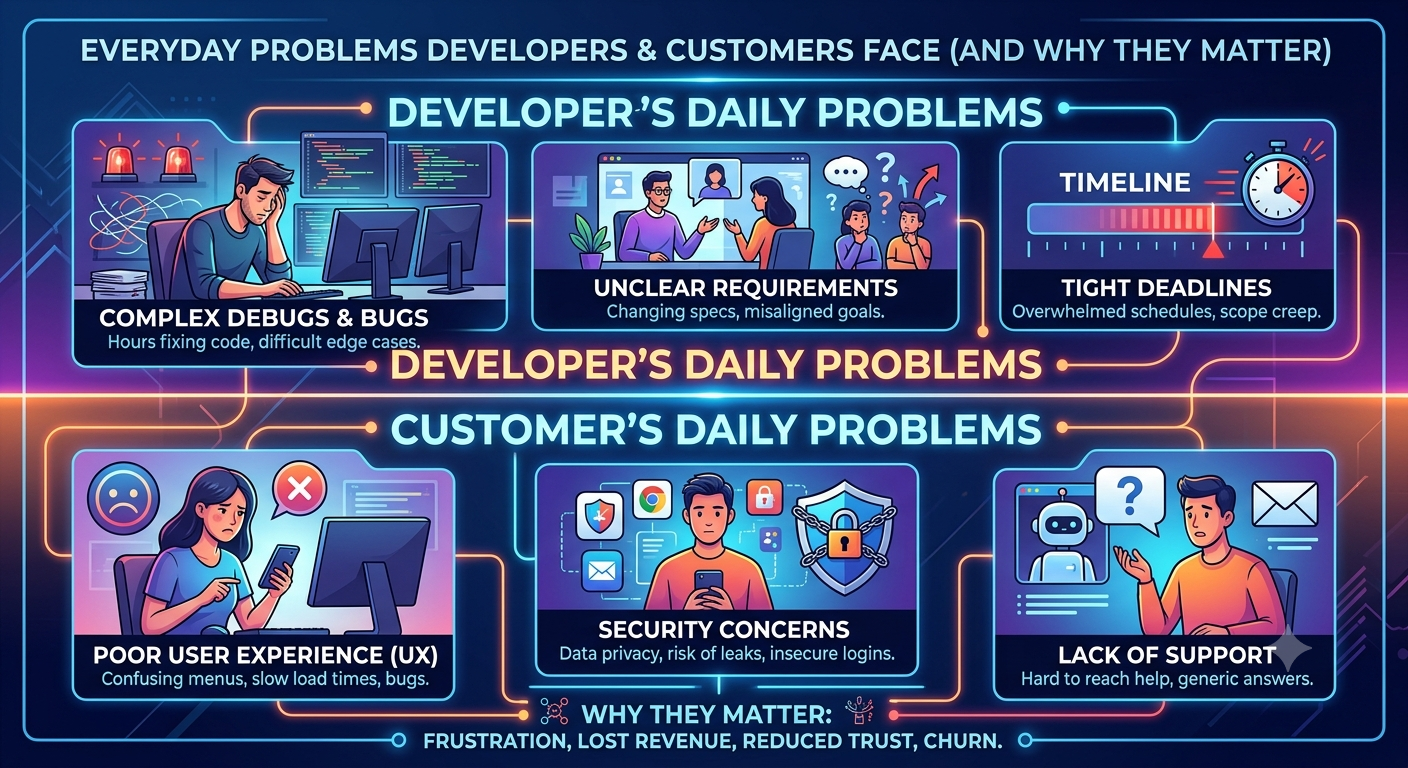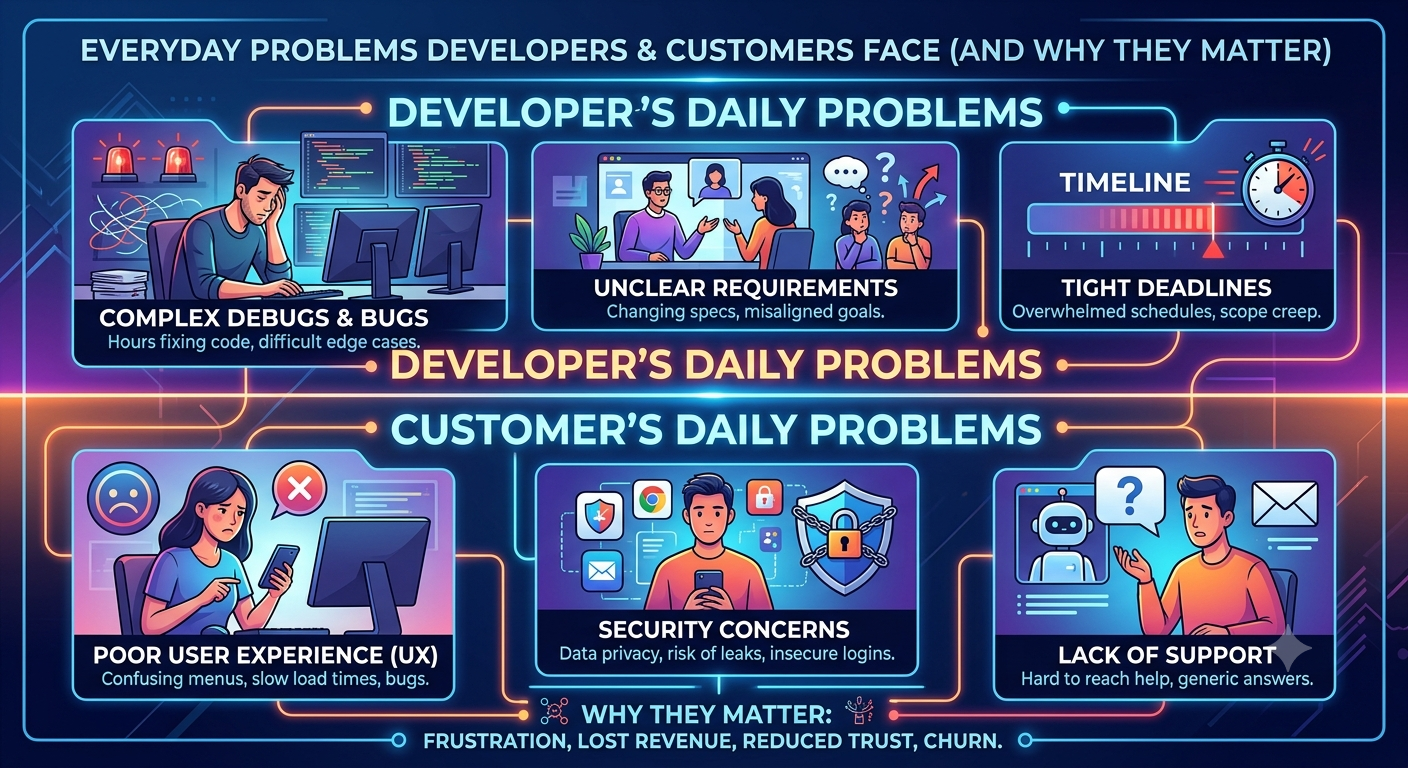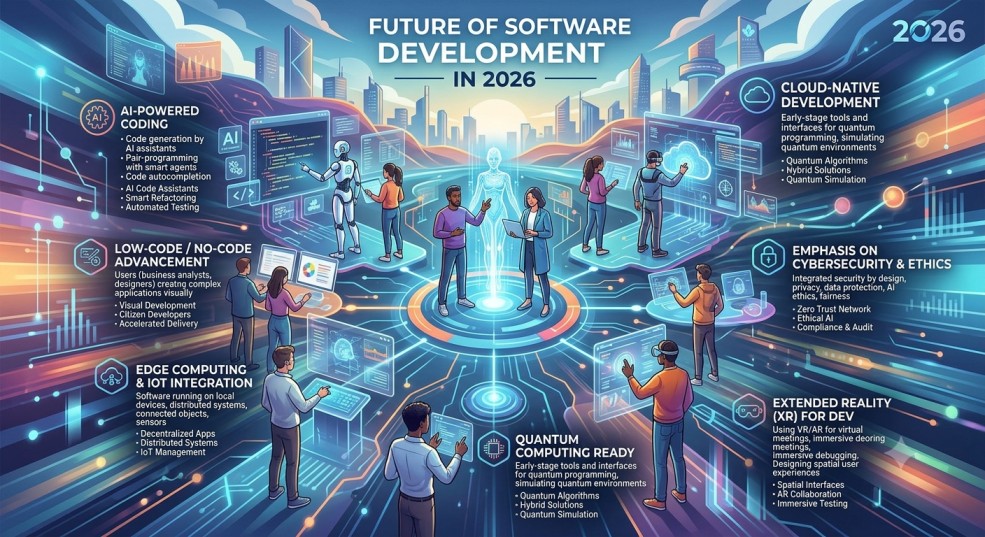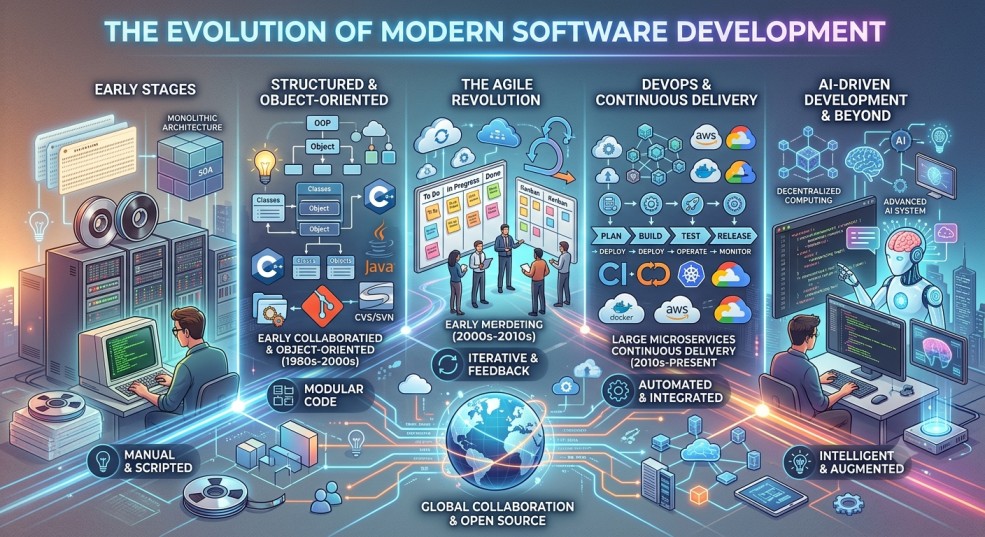
The Foundation: Understanding the "Why" Before the "How"
Before even touching a keyboard, a good developer takes the time to understand the project's goals, the user's needs, and the overall business objectives. This initial phase of requirements gathering and analysis is paramount. It involves:
- Active Listening: Engaging with stakeholders, product managers, and users to truly grasp the problem that the software aims to solve.
- Documentation: Clearly articulating and documenting the functional and non-functional requirements. This ensures everyone is on the same page and helps prevent costly misunderstandings down the line.
- Feasibility Assessment: Evaluating the technical feasibility of proposed solutions and identifying potential challenges early on.
Imagine trying to build a house without blueprints; it's a recipe for disaster. Similarly, building software without a clear understanding of its purpose can lead to wasted effort and a product that doesn't meet expectations.
Crafting the Blueprint: Design and Architecture
Once the "why" is established, developers move into the design and architecture phase. This is where the overall structure and components of the software are planned out.
- High-Level Design: Deciding on the major architectural patterns (e.g., microservices, monolithic), technologies, and frameworks that will be used.
- Low-Level Design: Detailing the design of individual modules, classes, and functions, including data structures and algorithms.
- API Design: Planning how different parts of the system will communicate with each other, both internally and externally.
- Database Design: Structuring the database schema to efficiently store and retrieve data.
A well-thought-out design acts as a roadmap, guiding the development process and ensuring scalability, maintainability, and performance.
Bringing it to Life: Coding and Implementation
This is often what people primarily associate with a developer's job: writing code. However, it's not just about typing; it's about writing clean, efficient, and maintainable code.
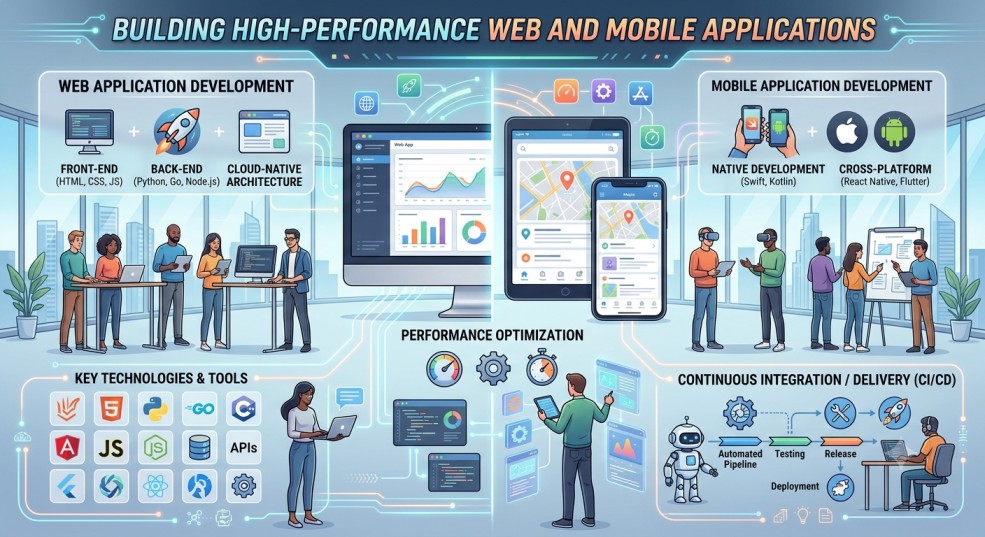
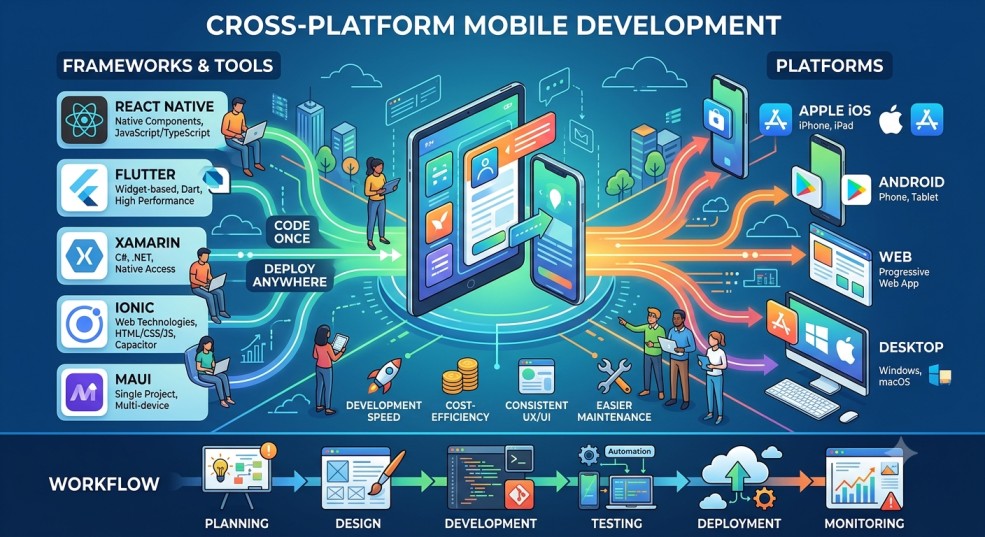
- Choosing the Right Language/Framework: Selecting the most appropriate programming language and framework for the task at hand, considering factors like performance, ecosystem, and team expertise.
- Adhering to Coding Standards: Following established coding conventions (naming conventions, formatting) to ensure consistency and readability across the codebase.
- Modularity and Reusability: Designing code in a modular fashion to promote reusability and reduce redundancy.
- Performance Optimization: Writing code that runs efficiently and doesn't consume excessive resources.
- Security Best Practices: Implementing security measures to protect against common vulnerabilities like SQL injection, cross-site scripting (XSS), and data breaches.
A developer's code is their legacy. Well-written code is easier to understand, debug, and extend, saving countless hours in the long run.
Ensuring Quality: Testing and Debugging
A developer's responsibility doesn't end when the code is written. Testing and debugging are critical steps to ensure the software functions as intended and is free of defects.
- Unit Testing: Writing automated tests for individual components or functions to verify their correctness in isolation.
- Integration Testing: Testing the interaction between different modules or services to ensure they work together seamlessly.
- End-to-End Testing: Simulating real user scenarios to validate the entire application flow.
- Debugging: Identifying and fixing bugs, often using debugging tools and techniques to trace the execution flow and pinpoint the root cause of issues.
- Test-Driven Development (TDD): A methodology where tests are written before the code, guiding the development process and ensuring comprehensive test coverage.
A robust testing strategy is like a safety net, catching errors before they reach end-users and ensuring a high-quality product.
Collaboration and Communication: The Team Player
Software development is rarely a solitary endeavor. Collaboration and communication are vital for successful team projects.
- Version Control: Using systems like Git to manage code changes, track history, and facilitate collaborative development without conflicts.
- Code Reviews: Participating in peer code reviews to identify potential issues, improve code quality, and share knowledge among team members.
- Effective Communication: Clearly articulating ideas, asking questions, and providing constructive feedback to teammates and stakeholders.
- Agile Methodologies: Participating in agile ceremonies like daily stand-ups, sprint planning, and retrospectives to ensure transparency and adaptability.
A developer who can effectively communicate and collaborate is an invaluable asset to any team.
The Lifelong Learner: Continuous Improvement
The technology landscape is constantly evolving, making continuous learning an absolute necessity for any developer.
- Staying Updated: Keeping abreast of new technologies, frameworks, programming languages, and industry best practices.
- Learning New Skills: Actively seeking opportunities to expand their skillset, whether it's through online courses, certifications, or personal projects.
- Mentorship: Both seeking mentorship from more experienced developers and mentoring junior developers to foster growth within the team.
- Personal Projects: Working on side projects to experiment with new technologies and hone their skills in a low-pressure environment.
A developer's journey is a marathon, not a sprint. The commitment to lifelong learning ensures they remain relevant and capable in an ever-changing industry.
Beyond the Code: Deployment and Maintenance
Once the software is built and tested, it needs to be deployed to users and then maintained.
- Deployment: Setting up and configuring environments (development, staging, production), automating deployment processes (CI/CD pipelines), and ensuring smooth releases.
- Monitoring: Implementing tools to monitor application performance, availability, and user behavior in real-time.
- Bug Fixing and Enhancements: Addressing production issues quickly and efficiently, and implementing new features or improvements based on user feedback and evolving requirements.
- Documentation: Creating and maintaining comprehensive documentation for the software, including user manuals, API documentation, and technical specifications.
The work doesn't stop once the software is "live." Ongoing maintenance and support are crucial for its long-term success.
Conclusion
The role of a developer is rich and rewarding, encompassing a wide range of responsibilities that extend far beyond simply writing code. From understanding user needs and designing robust architectures to writing clean code, rigorously testing, collaborating effectively, and continuously learning, developers play a pivotal role in shaping the digital world. By embracing these core responsibilities and committing to continuous improvement, developers can build impactful software and carve out a successful and fulfilling career.